

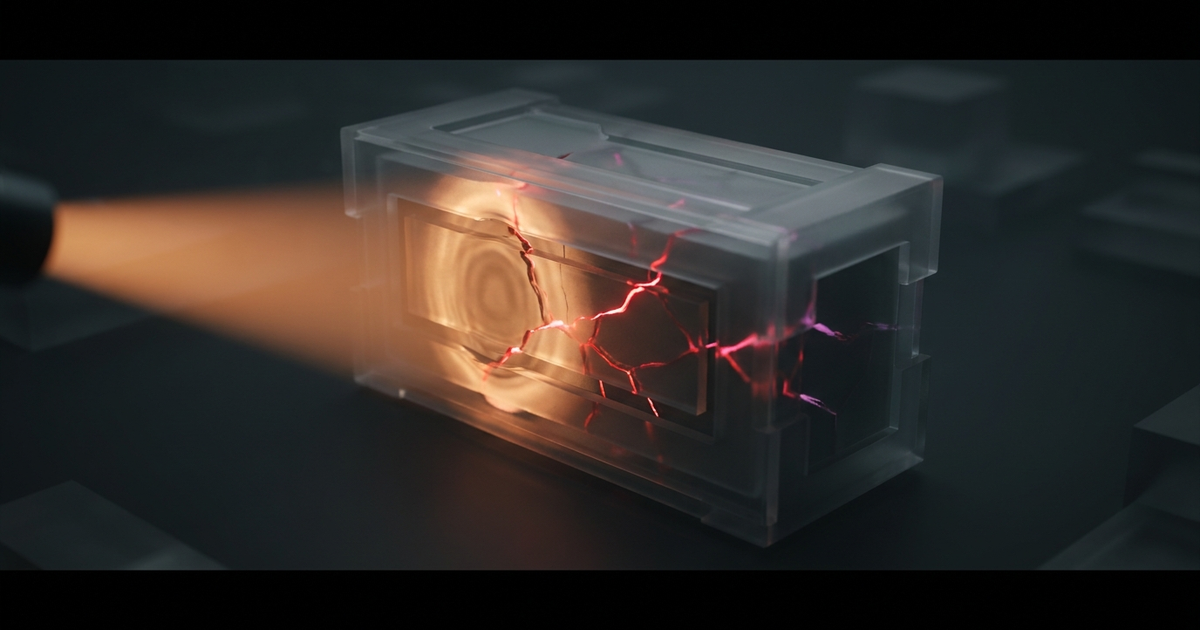
Container image vulnerability scanning is the automated process of analyzing container images for known security weaknesses, misconfigurations, and outdated components. Its primary goal is to identify risks before deployment, preventing exploitable vulnerabilities from reaching production. This critical “shift-left” security practice integrates early into the software development lifecycle (SDLC) to enhance overall container security.
What is Container Image Vulnerability Scanning?#
Container image vulnerability scanning meticulously examines the contents of Docker and other OCI-compliant container images to detect security flaws. This includes identifying outdated libraries, insecure configurations, and known vulnerabilities (CVEs) within the operating system packages and application dependencies. By performing this analysis during the build or registry phases, organizations can proactively address potential threats. The process is foundational to a robust DevSecOps strategy, ensuring that security is an inherent part of the development pipeline rather than an afterthought. It helps maintain the integrity of the software supply chain by providing visibility into the security posture of containerized applications before they are deployed.
Why Container Image Scanning is Critical for Modern DevSecOps#
The ubiquitous adoption of containers, particularly Docker and Kubernetes, has fundamentally reshaped application deployment, but it has also expanded the attack surface. Vulnerabilities in base images, OS packages, and application dependencies within container images can expose applications to significant risk. Unpatched vulnerabilities can lead to severe consequences, including data breaches, compliance failures (e.g., PCI DSS, HIPAA), and operational disruptions. Early detection through container image vulnerability scanning is paramount, as fixing issues found earlier in the development lifecycle can be significantly less costly and time-consuming than addressing them in production [OWASP DevSecOps Guideline]. Integrating these checks into your CI/CD pipeline is a core tenet of DevSecOps container security, allowing teams to catch and remediate flaws before they propagate, thereby strengthening the overall software supply chain security.
How Container Image Vulnerability Scanning Works#
The core mechanism of container image vulnerability scanning involves extracting a comprehensive Software Bill of Materials (SBOM) from the image. This SBOM details every component, library, and dependency within the container. The scanner then cross-references these components against continuously updated vulnerability databases, such as OSV.dev, to identify known CVEs and advisories. Most container image scanning tools perform static analysis, inspecting layers, packages, and configurations without executing the container’s code. For instance, tools like OSV-Scanner analyze installed OS packages and build artifacts, attributing vulnerabilities to specific layers [OSV-Scanner]. This process effectively detects outdated libraries, misconfigurations, and even End-of-Life (EOL) operating systems, which no longer receive security updates, flagging them as critical vulnerabilities. This systematic approach ensures thorough detection of potential security risks.
Key Considerations and Best Practices for Effective Scanning#
Effective container image vulnerability scanning requires strategic implementation. It’s crucial to scan at multiple points: during the build phase (e.g., after a Dockerfile build), upon pushing to registries, and continuously through re-scans as new CVEs emerge. The real value lies in actionable results, which means reducing false positives, prioritizing vulnerabilities based on exploitability (e.g., using EPSS, KEV, or risk scoring as offered by tools like Grype [Grype]), and providing clear remediation guidance. Integrating scanning directly into CI/CD pipelines ensures automated checks and gates, preventing vulnerable images from progressing. Defining and enforcing security policies can automatically block deployments of images that fail to meet predefined thresholds. Additionally, managing allowlists and exceptions for specific, understood vulnerabilities helps maintain workflow efficiency without compromising security. These container image security best practices are vital for robust CI/CD security.
Popular Container Image Vulnerability Scanning Tools#
Several powerful image scanning tools are available for securing your software supply chain:
- Grype (Anchore): An open-source vulnerability scanner for container images, filesystems, and SBOMs. It supports major OS ecosystems and language-specific packages, offering threat prioritization with EPSS, KEV, and risk scoring. You can scan an image with a simple command:
grype alpine:latest - Trivy (Aquasecurity): A simple and comprehensive scanner for containers and other artifacts, widely integrated into platforms like GitLab Container Scanning [GitLab Docs].
- OSV-Scanner (Google): Scans container images by extracting OS packages and build artifacts, cross-referencing them with the OSV.dev database. It can scan local images or exported archives:
osv-scanner scan image my-image:latest - Clair (Quay): An open-source system for static analysis of vulnerabilities in container images, providing an API for clients to index images and query for known vulnerabilities [Clair].
- OWASP dep-scan: A free, open-source tool for security and risk auditing of application dependencies and container images, supporting SBOM generation and risk-based analysis [OWASP dep-scan].
- Docker Scout: A commercial solution that analyzes images to surface CVEs, outdated packages, and compliance issues, generating SBOMs and providing continuous evaluation as new CVE data becomes available [Docker Scout].
- Anchore Enterprise: Builds upon open-source components like Grype, offering comprehensive, automated vulnerability management for container images across CI/CD pipelines, registries, and Kubernetes workloads [Anchore Enterprise].
These tools offer varying features, from SBOM generation to advanced threat prioritization and integration capabilities, enabling robust Docker vulnerability scans.
Beyond Detection: Integrating Scanning into a Holistic Security Strategy#
While container image vulnerability scanning is a critical component, it’s most effective when integrated into a broader DevSecOps strategy. This involves embracing automation, fostering collaboration between development and security teams, and committing to continuous improvement. Container scanning complements other security testing methodologies, such as (Dynamic Application Security Testing), (Static Application Security Testing), and API security testing, by addressing distinct stages and types of vulnerabilities. For instance, while scanning identifies known flaws in dependencies, a platform like Pentrova provides automated penetration testing for web applications and APIs, delivering replay-verified exploits to prove business logic and authorization issues that scanners might miss. This comprehensive approach to software supply chain security ensures that vulnerabilities are not only detected but also effectively remediated, ultimately building a culture of continuous vigilance. Scanning is a foundational step, but real security comes from understanding and addressing the exploitability of identified risks.
Conclusion#
Container image vulnerability scanning is indispensable for modern software development, providing essential visibility into the security posture of containerized applications. By adopting best practices, leveraging powerful image scanning tools, and integrating these processes early and continuously into your CI/CD pipeline, organizations can significantly enhance their software supply chain security. This proactive approach not only mitigates risks but also streamlines remediation efforts, ensuring that your applications are built on a foundation of trust. However, detection is only half the battle; understanding the true impact and exploitability of vulnerabilities is key to effective remediation.
Ready to move beyond scanning to verify exploitability? Explore how Pentrova’s automated penetration testing complements your container scanning efforts by providing replay-verified exploits for web applications and APIs. Request a Demo.
FAQ#
What is container image vulnerability scanning? Container image vulnerability scanning is an automated process that analyzes container images (like Docker images) to identify known security weaknesses, misconfigurations, and outdated software components before deployment.
Why is container image scanning important for DevSecOps? It’s critical for DevSecOps because it allows for early detection of vulnerabilities in the software supply chain, reducing the cost and effort of remediation, preventing data breaches, and ensuring compliance in an environment where containers are widely used.
How does container image scanning work? It works by extracting a Software Bill of Materials (SBOM) from the container image, which lists all its components. This SBOM is then cross-referenced against vulnerability databases (e.g., OSV.dev) to identify known CVEs and advisories through static analysis of the image layers and packages.
What are the best practices for container image vulnerability scanning? Best practices include scanning images during the build process, upon pushing to registries, and continuously for new CVEs. Prioritize actionable results by reducing false positives, using risk scoring, and integrating scanning into CI/CD pipelines for automated policy enforcement and clear remediation guidance.
What are some popular tools for container image scanning? Popular tools include open-source options like Grype, Trivy, OSV-Scanner, Clair, and OWASP dep-scan, as well as commercial/integrated solutions such as Docker Scout, GitLab Container Scanning, and Anchore Enterprise.
How can I integrate container scanning into my CI/CD pipeline? You can integrate container scanning into your CI/CD pipeline by configuring dedicated jobs that run scanning tools (e.g., Grype or Trivy) as part of your build or deployment stages. This allows for automated checks, policy enforcement, and prevents vulnerable images from being pushed to production registries. Many platforms, like GitLab, offer native integrations [GitLab Docs], and most tools provide CLI commands suitable for scripting in CI/CD environments.